

Explore your
Dreams
like a pro


Wireless
connectivity
Research-grade
brainwave signal
Lucid dream induction methods integrated
Interact with your dreams
Real-time sleep
stage triggers

How it works

Lucid Dream Induction & Interaction Protocols
Integrated and automated for you


N1 Cue: Hypnagogic Alert
The famous inventor, Thomas Edison used a special skill during sleep onset to introduce scientific creativity. One of the most creative artists in history, Salvador Dali, used a dropping spoon/key from hand to help capture the creative moments during the hypnagogic state around sleep onset.
With this protocol, the app can help you access the resourceful hypnagogic state easily by playing the selected cue right after it, to wake you up.
Waking Cue: SSILD
"SSILD" is a protocol to provide real-time guidance and cues for the classic technique known as the "Senses Induced Lucid Dream". (Click here to read more about the SSILD technique.)
With this protocol, the app plays 3 types of cues (visual, auditory, and tactile) according to the SSILD technique's agenda, while the user is awake, typically after a WBTB routine.
The goal is to activate more regions of the cortex so the brain is primed for dream lucidity. This practice usually doesn't lead the user directly into a lucid dream. Instead, the lucid dream would happen in the first or second REM period after the SSILD practice.
REM Cue - Lucid Confirmation
This is an experimental protocol, that allows the user to signal the app from within a lucid dream. The original process was established in sleep research labs. (Click here for related publications.)
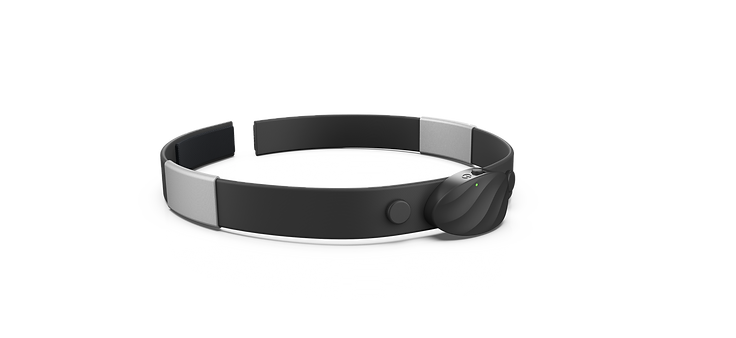
When this protocol is on, the headband will monitor the eye movements for a suspected "left-right-left-right" pattern. Once detected, the app will play a series of metronome sounds. If the user is indeed in a lucid dream, he or she should follow the metronome beats and look "left-right-left-right" in the dream world, which will trigger the corresponding eye movements that can be detected by the headband and recorded as "Lucid dream confirmed" by the "Sleep cue" app.

REM Cue - Dynamic Audio
This protocol plays the selected audio cue periodically during REM sleep (interval = 5 minutes) with a sleep depth-based sound volume regulation. The goal is to play the audio loud enough to be perceived in dreams, but not too loud to wake up the user.

REM Cue - Microsleep
This protocol is one of the most effective lucid dream induction protocols. It plays the selected audio cue periodically during REM sleep (current interval = 15 minutes). The goal is to cause the user to drift in and out of REM sleep, making it easier to have lucid dreams.


Become A Dream Exploration Expert!
Steve
I love the brain-sensing headband! It has definitely enhanced my lucid dreaming experience.
Dana
With this headband, I can see the exact time of my dreaming sessions on the data charts.
David
The automated lucid-dream induction protocols in the Sleep Cue app are awesome! I don't need to memorize the techniques anymore. The real-time instructions do the work for me.
